📄 Article 1: The Hidden Story Behind Your IP Address
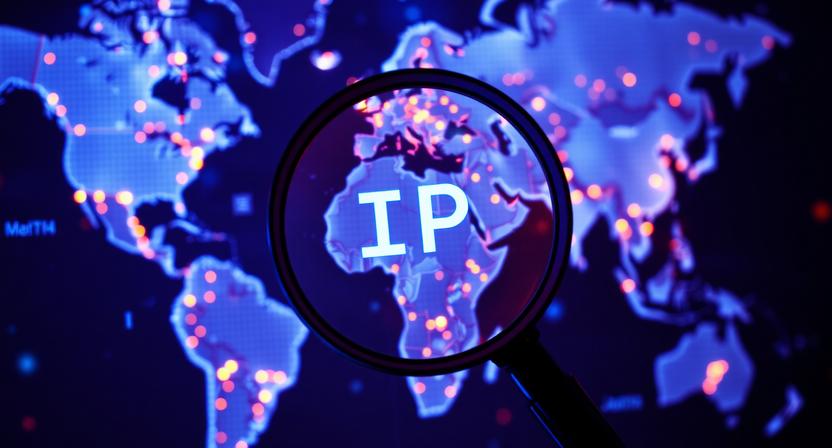
Your IP address might look like a random string of numbers, but it’s actually the key that unlocks your connection to the digital world. Every time you send an email, stream a movie, or check your social media, your IP address quietly works in the background, making sure data knows exactly where to go.
But here’s the fascinating part: your IP address reveals more than you think. It can hint at your location, your internet service provider, and even the type of device you’re using. That’s why websites use IP addresses to customize experiences — showing local weather, language preferences, or even restricting content based on geography.
IPv4 vs IPv6
The internet originally ran on IPv4, which uses 32‑bit numbers. That gives us about 4.3 billion possible addresses. Sounds like a lot, right? But with billions of devices online — smartphones, laptops, smart TVs, even refrigerators — we quickly ran out. Enter IPv6, a 128‑bit system that provides trillions upon trillions of unique addresses.
Why IP Addresses Matter
Geolocation: Advertisers and websites use IP data to tailor ads and services. Security: Cybersecurity experts track suspicious IPs to block attacks. Access Control: Streaming platforms restrict content by IP region.
Masking Your IP
Tools like VPNs and proxies allow you to hide your IP address. This is useful for privacy, bypassing restrictions, or protecting yourself on public Wi‑Fi. But remember: masking doesn’t make you invisible. Websites still use cookies, browser fingerprints, and other methods to track activity.
Real‑World Example
Think of your IP like a home address. If you order a package online, the courier needs your address to deliver it. Similarly, when you request a webpage, the server needs your IP to send the data back. Without it, the internet simply wouldn’t work.
Conclusion:
Your IP address is more than a number — it’s your digital passport. Understanding it helps you stay safe, protect your privacy, and appreciate the invisible infrastructure that powers the web.